Gold Panning for Beginners: Make It a Day Outdoors
Getting started in gold prospecting doesn't have to be complicated. Here's everything you need to know for your first outing.
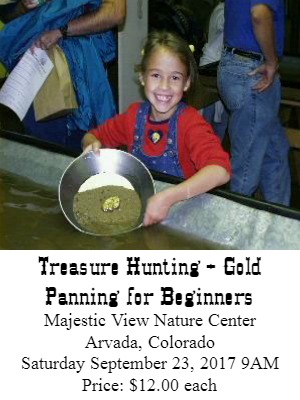
Gold prospecting is one of the most rewarding outdoor activities you can pursue. Whether you're looking for a fun family outing or hoping to find enough color to get you hooked for life, getting started is easier than you might think.
## What to Bring
Before you head out, make sure you have the essentials:
- Gold pan – A 14-inch plastic pan is ideal for beginners. Green or blue pans make it easier to see gold. - Classifier/Screen – Helps you remove larger rocks and debris - Snuffer bottle or tweezers – For picking up fine gold - Small vials – To store your finds - Gloves – The water can be cold, even in summer - Knee pads or a cushion – You'll be kneeling a lot - Bucket – To carry material or hold your concentrates
## Make It a Day Outdoors
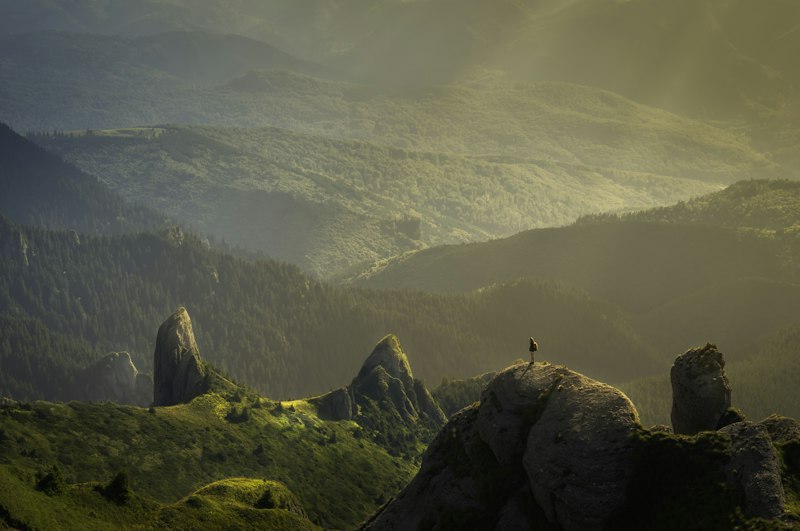
The best prospecting trips are the ones where you don't put pressure on yourself. Pack a lunch, bring some drinks, and plan to spend the day outdoors. The gold is a bonus—the real treasure is the experience.
## Choosing a Spot
Not all waterways contain gold. Do your research before you go:
- Check local regulations – Some areas require permits, and others are off-limits - Look for old mining areas – Where there was gold before, there's likely still gold - Join a prospecting club – Many clubs have claims that members can access - Start with public lands – National forests and BLM land often allow recreational prospecting
## Etiquette and Safety
- Respect private property – Always get permission before prospecting on private land - Pack it in, pack it out – Leave no trace - Watch the weather – Flash floods are a real danger in canyon country - Tell someone where you're going – It's basic safety for any outdoor activity - Don't dig up the whole creek – Take only what you need and restore the area when you're done
## Getting Started
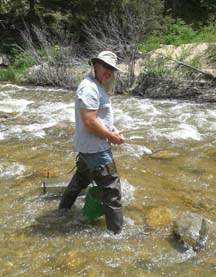
Find a likely spot—usually on the inside bend of a stream or behind large boulders where the water slows down. Gold is heavy, so it settles in these low-energy zones.
Scoop material from the crevices between rocks, or dig down to bedrock if you can reach it. Classify out the larger material, then start panning.
The technique takes practice, but the basics are simple: keep the pan just under the water, swirl to stratify the material with the heavy stuff on the bottom, and gently wash off the lighter material. What's left should be black sand and—if you're lucky—gold.
## The Real Payoff
Most recreational prospectors don't get rich. The real value is in the experience: the fresh air, the exercise, the thrill of seeing that first speck of color in your pan. It's a hobby that gets you outdoors and connects you to a piece of American history.
So pack your gear, grab your family, and make a day of it. You might not find the mother lode, but you'll probably find something better.
Johnny Walker
Johnny has been prospecting Colorado and Arizona for over 20 years. He runs Prospector Center with his wife Laurie, sharing practical knowledge gained from countless hours in the field.